Table of Content
Drop-In Reality vs. Future Horizons: SUSTAERO Outlines the Critical Moat of e-SAF at the 2026 Canadian Hydrogen Convention
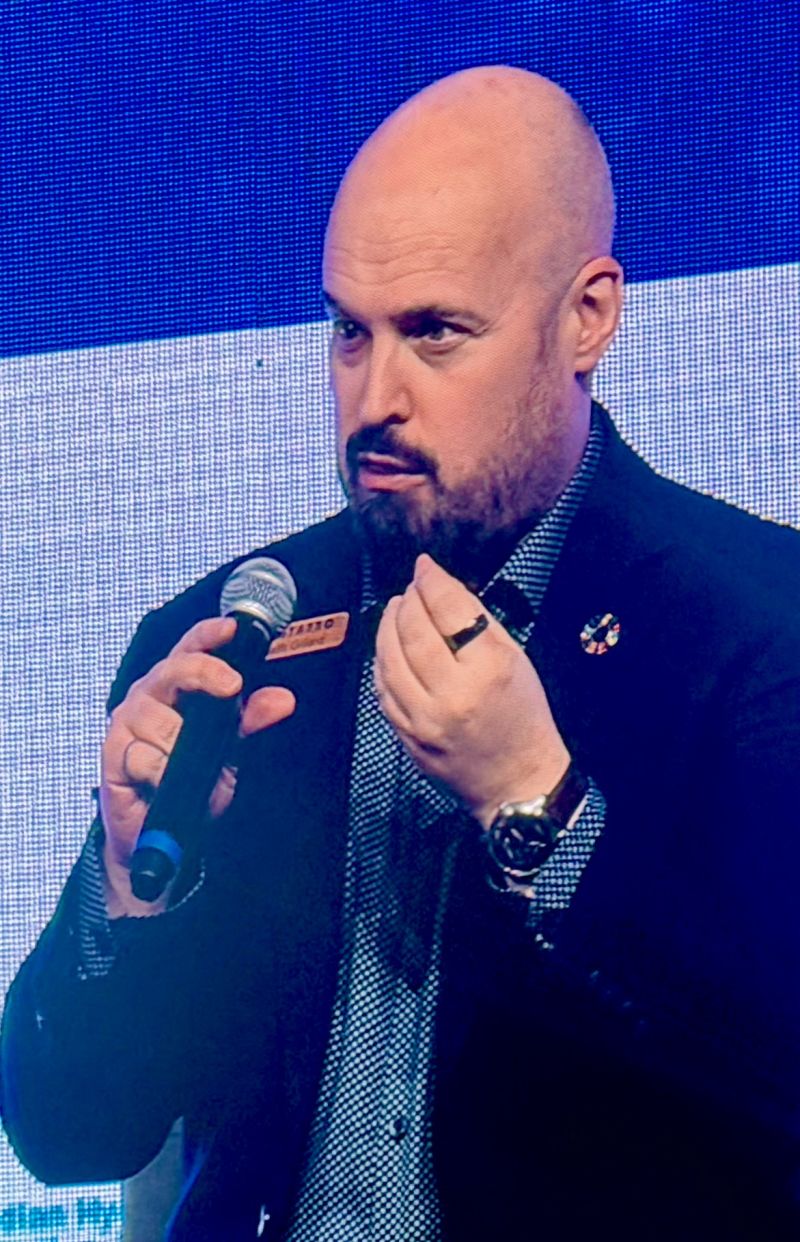
Table of Content

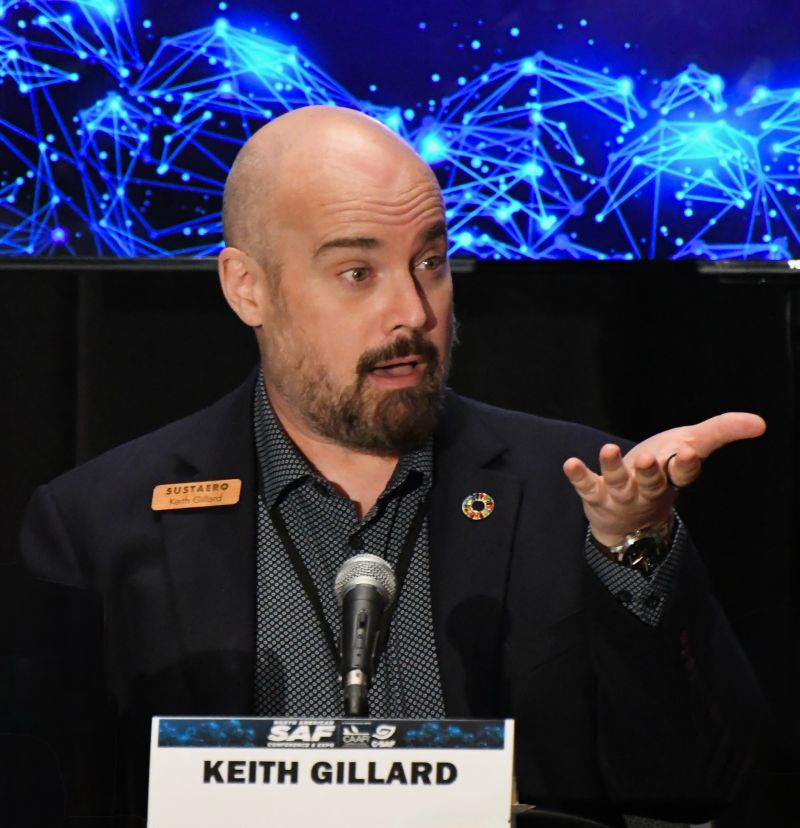
EDMONTON, AB – April 22, 2026 — The aviation sector's transition to net-zero is a multi-front effort, but the immediate commercial winner is clear. Speaking today at a high-profile fireside chat during the Canadian Hydrogen Convention, SUSTAERO leadership detailed why Sustainable Aviation Fuel (SAF) remains the definitive, bankable solution for global aviation security, even as hydrogen technologies continue to evolve.
The session, moderated by David Sanguinetti, CEO of Foresight Canada, immediately followed a distinguished panel on hydrogen in aviation that featured key global voices, including Eric Lefebvre (CEO of H2CanFly), Mikaël Carinal (VP Program Management at Unither Bioelectronics), Myron Keehn (President and CEO of Edmonton Airports), and Houssam Alaouie (Global Head of Collaboration at CEA).
While the preceding panel highlighted the long-term potential of hydrogen as a direct, neat fuel for aircraft, the subsequent fireside chat with SUSTAERO grounded the audience in current industrial, thermodynamic, and geopolitical realities.
The Density Moat: Why Drop-In Fuel Dominates
Addressing the core differences between direct hydrogen propulsion and SAF, SUSTAERO presented a stark comparative analysis of system-level energy densities. While neat hydrogen outperforms SAF on a gravimetric (weight) basis when unconstrained, the real-world engineering realities of aircraft design completely invert those metrics.
Once a 700 bar compression tank and the necessary balance of plant are factored in, hydrogen’s system-level gravimetric energy density drops precipitously to between 25 and 40 megajoules per kilogram (MJ/kg), falling below the 43 MJ/kg baseline of neat SAF.
On a volumetric (space) basis, the gap widens further. At 700 bar, a hydrogen fuel system delivers roughly 3 megajoules per litre (MJ/L), representing less than 10 percent of SAF’s robust 34 MJ/L capacity.
Furthermore, hydrogen demands heavy, perfectly cylindrical storage tanks. SAF, conversely, utilizes the existing "wet wings" of conventional aircraft, seamlessly conforming to every irregular space a liquid can fill. To accommodate bulky hydrogen storage, an aircraft would need to be roughly ten times larger, vastly increasing its surface area, aerodynamic drag, and overall fuel consumption.
The biggest advantage for global airlines is that SAF is a direct, drop-in kerosene. It is the exact same molecule that commercial and military jets have relied on for 85 years. Unlike theoretical powertrains, SUSTAERO’s process delivers a product that sits at Technology Readiness Level 9 (TRL-9). It is immediately bankable, fully insurable, globally understood, and operationally secure. While hydrogen can certainly win on short, regional flights, the long-term bet for international aviation remains locked onto SAF, a reality underscored by Airbus and Boeing committing to 100 percent SAF compatibility across their fleets from 2030 onward.
Security is the Ultimate "S" Word
The conversation shifted heavily toward macro-economics and energy security, especially given the acute market disruptions stemming from the current geopolitical conflict involving Iran. With the spot price of conventional Jet A currently spiking past the price of SUSTAERO’s SAF, and European reserves facing a critical five-week depletion forecast, the business case for domestic production has transformed from an environmental preference into a sovereign necessity.
The most critical word in SAF is not "Sustainable", it is "Secure". Traditional energy lines are vulnerable to systemic choke points like the Strait of Hormuz, as evidenced by the severe economic strain currently collapsing Cuba due to jet fuel shortages.
SUSTAERO counteracts this volatility through absolute resource redundancy. By intentionally selecting and retrofitting legacy pulp and paper mill assets, the company's first Ontario facility secures nine distinct sources of local biomass and five independent vectors of low-carbon electricity. This structural redundancy protects the facility from localized disruptions like ice storms or wildfires, creating an uninterruptible manufacturing perimeter that can easily scale four-fold from its base design of 182 million litres per year to 730 million litres per year.
Navigating Provincial Dynamics and the Power of e-SAF
When evaluating regional expansion across Canada, electricity availability and provincial grid metrics emerge as the primary drivers for facility site selection. While trees contain roughly 6 percent hydrogen by weight on a bone-dry basis, finished SAF requires 14 percent hydrogen, meaning supplemental inputs are necessary.
SUSTAERO solves this gap dynamically through its proprietary Syngas Optimization for Aviation Renewables (SOAR™) process. The facility repurposes infrastructure at legacy industrial mills, which routinely provide an order of magnitude more fresh water than required. This allows the plant's on-site electrolysis loops to run at a rate perfectly equal to the real-time demand for supplemental hydrogen during the critical Fischer-Tropsch and hydrotreatment stages.
However, Environment and Climate Change Canada (ECCC) regulations force producers to calculate their fuel's Carbon Intensity (CI) score using the baseline of the provincial grid, rendering virtual power purchase agreements (VPPAs) ineffective for Clean Fuel Regulations (CFR) math. This reality places carbon-intensive grids like Alberta and Saskatchewan at a severe disadvantage, while highlighting Quebec, Manitoba, and Ontario as premier development regions.
Simultaneously, provincial regulatory environments create distinct financial trade-offs. British Columbia offers lucrative, stackable compliance mechanisms through its Low Carbon Fuel Standard (LCFS), but mandates a rigorous three-year environmental assessment window. Conversely, jurisdictions like Nova Scotia feature accelerated 30-day assessment pathways alongside robust capital grant programs like the Atlantic Canada Opportunities Agency (ACOA), which can offset up to 10 percent of capital expenditure.
The conversation concluded with an exciting disclosure regarding SUSTAERO's operational output. While Power-to-Liquid (PTL) synthetic pathways represent the most energy-intensive, expensive routes to fuel production, their strict reliance on hydrogen and captured carbon enables them to command immense pricing premiums in highly regulated markets like Germany, where underusage penalties hit an aggressive 17,000 Euros per tonne.
Because the SOAR™ process effectively captures, recycles, and upgrades all waste gases internally via integrated electrolysis, recent engineering audits confirm that 75 percent of SUSTAERO’s final output officially qualifies as e-SAF. SUSTAERO is actively working with its core technology partners and engineering firms to formalize this data, positioning the company to capture the highest-premium compliance markets in the world from day one of commercial operations.
Share on






Share on

Recent Blogs




Connect with Sustaero
For investor inquiries, SAF supply discussions, partnerships, or stakeholder engagement, send a note and we’ll respond within one business day.

Sign up for the Frequent Flyer Newsletter
Company
Terms & Conditions