
Table of Content
Finding Feedstock: The SAF Global Summit and the Quest for Carbon
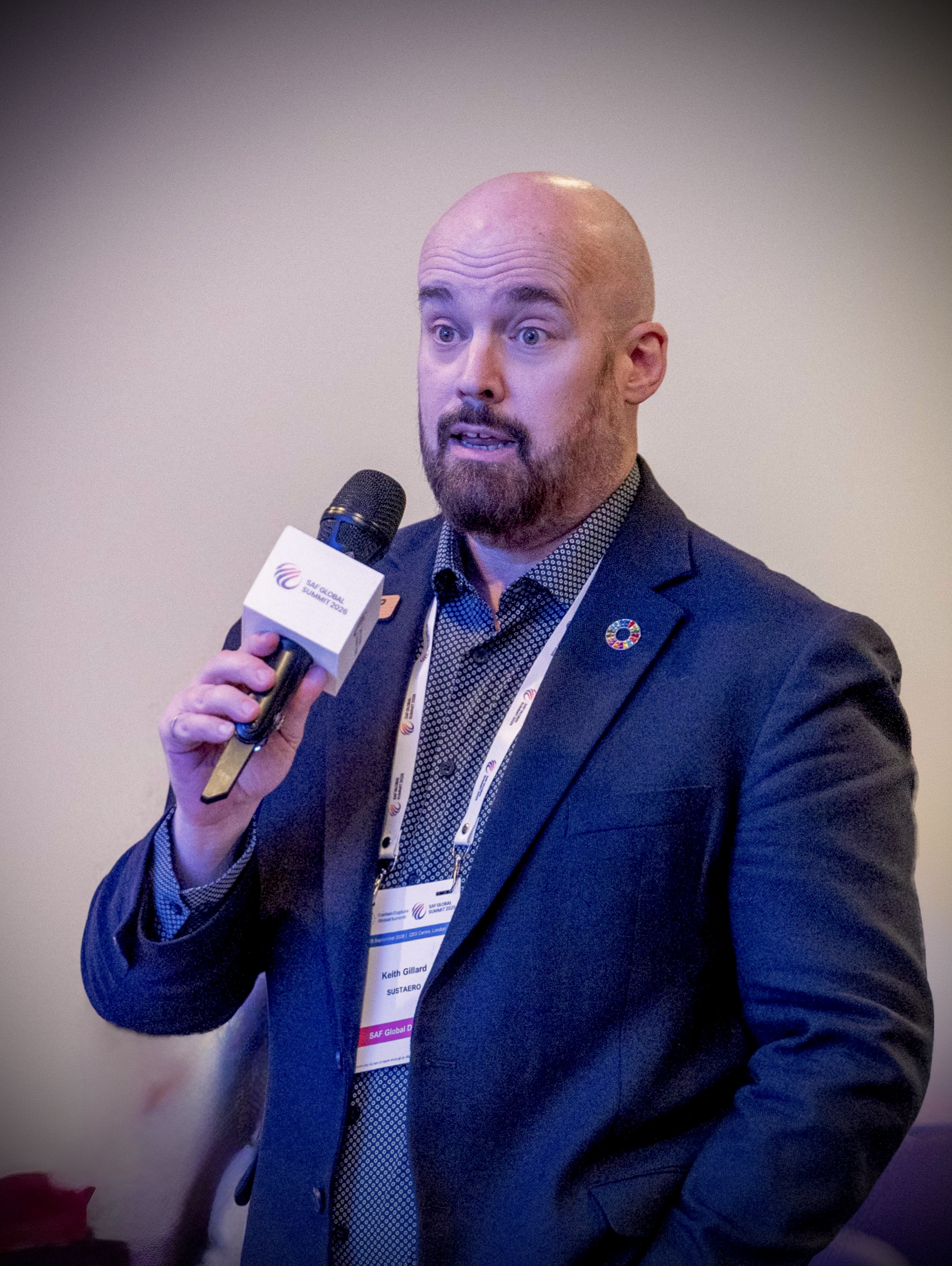
Table of Content

The timing couldn’t have been better to be back in lovely London. Great weather, so many old friends and colleagues in town, and of course, the SAF Global Summit. I’d never been to this event before and so was delighted to connect with so many other SAF developers, energy majors, OEMs, and of course, airlines.
As the penultimate, contentious panel exploded across the stage at the QEII Convention Centre, I was riveted by the heated debate between next-generation Sustainable Aviation Fuel technology leaders, innovating in methanol-to-Jet, hydrogen, power-to-liquid, and secondary crop biofuels.
A light bulb lit up over my head.
Marveling at that fiery panel discussion led by Jonathan Wood of Nova Pangaea Technologies, I suddenly saw the recurring theme of feedstock cost and scarcity in a new light: While the world scrambles for SAF inputs, Canada boasts an absolute abundance, both in terms of physical feedstock and renewable electrons.
Developers are wrestling with limits on used cooking oil and crop-based feedstocks, or facing capital hurdles for synthetic fuels. Meanwhile, the conversation is shifting toward scalable, next-generation pathways. Everyone’s searching for plentiful, non-food, regional carbon paired with clean, reliable electricity.
The Carbon and Power Crunch
European and Asian refiners are already hitting limits on HEFA feedstock availability. Hydroprocessed Esters and Fatty Acids is how almost all the world’s current SAF is made, from used cooking oil (UCO), beef tallow, or similar feedstocks. At the same time, power-to-liquid developers in Europe are struggling against volatile, high-cost electricity grids. As CORSIA and ReFuelEU compliance deadlines hit and blending mandates kick in, the market’s urgently seeking massive, uninterruptible sources of waste carbon and clean power to bridge the gap.
Why Wood Waste Will Win
Panels comparing technology pathways highlighted gasification and synthesis as the scalable frontier. According to Transport Canada, our formidable forestry sector generates 70 million oven-dry tonnes of wood waste annually, including sawmill residues. It’s a dense, high-yield carbon source that doesn’t compete with food crops or agricultural land.
Electricity as a Primary Feedstock
Converting biomass into liquid jet fuel requires a lot of “juice”, especially when integrating green hydrogen to maximize carbon conversion efficiency or produce eSAF (as SUSTAERO does in our SOAR™ process). Canada's hydro-dominated, low-carbon intensity (CI) grid provides a cost and CI advantage that fossil-powered or power-constrained regions simply cannot match. In e-fuels, clean electricity is the fundamental feedstock.
Energy Sovereignty as a Moat
We spent a lot of the conference addressing supply chain security. Relying on imported feedstocks creates geopolitical vulnerabilities. Tying forestry residuals directly to domestic, clean-grid-powered SAF production gives Canada a level of regional energy sovereignty that few countries can replicate.
Bankability Meets Resource Abundance
Institutional capital is ready to deploy into projects that pair proven technologies with long-term, de-risked access to both carbon and power. Canada's pairing of abundant biomass with low-CI electricity puts domestic projects at the very top of the list for infrastructure capital.
Hearing global players debate where their next million tonnes of feedstock and clean megawatts will come from has reinforced SUSTAERO’s strategy as correct. While others are searching for scarce inputs, Canada already possesses the localized waste streams and clean grid infrastructure required to power the future of flight.
It’s been an inspiring week in London, and I’m returning home more energized than ever to turn Canada’s wood waste streams into a global competitive advantage. If you're an airline or fuel company looking to secure low-CI SAF (or eSAF) with a short, simple supply chain, I'd love to hear from you.
Share on


Keith Gillard




Share on

Recent Blogs




Connect with Sustaero
For investor inquiries, SAF supply discussions, partnerships, or stakeholder engagement, send a note and we’ll respond within one business day.

Sign up for the Frequent Flyer Newsletter
Company
Terms & Conditions